Are you considering a walk-in shower but unsure about the installation costs? Understanding the walk-in shower installation cost is essential for budgeting your bathroom renovation. This guide will break down the factors influencing costs, provide a detailed cost analysis, and compare different types of walk-in showers, including options like granite and glass tile. By reading this content, you will gain clarity on expenses and learn tips to manage your budget effectively, helping you make informed decisions for your shower installation project.
Key Takeaways for Walk in Shower Installation Costs
Walk-in shower installation costs typically range from $3,000 to $15,000, depending on the size, materials, and customization options. This guide will break down the factors influencing these costs, provide a detailed cost analysis, and compare different types of walk-in showers, including options like granite and glass tile. By reading this, you’ll gain clarity on expenses and learn tips to manage your budget effectively, helping you make informed decisions for your shower installation project.
- Range of Costs: Walk-in shower installations can cost between $3,000 and $15,000 or more, depending on material and design choices.
- Safety and Accessibility: Walk-in showers improve safety and accessibility, particularly for individuals with mobility challenges.
- Material Choices: Ceramic tiles, acrylic panels, and natural stone vary significantly in cost, aesthetic, and maintenance needs.
- Professional Installation: Skilled contractors and proper planning are crucial for a successful installation.
- Hidden Expenses: Be prepared for unexpected costs, such as plumbing upgrades or structural reinforcements.
- Larger showers require more materials and labor, increasing overall costs. Estimated Impact: $50–$100 per square foot for standard materials.
Table of Contents
Understanding the Basics of Walk-in Shower Installation
A walk-in shower is a modern bathroom feature that enhances accessibility and style. The benefits of installing a walk in shower include improved safety with options like grab bars and reduced mildew growth due to better drainage. Common materials used in these renovations include tiles and acrylic walls. The installation process involves careful planning and execution to ensure a seamless fit and functionality.
What Is a Walk-in Shower?
A walk-in shower is a spacious and accessible bathroom feature designed to provide a luxurious bathing experience. Unlike traditional showers, walk-in showers typically have no threshold, allowing for easy entry and exit, which is particularly beneficial for individuals with mobility challenges. The construction of these showers often involves durable materials such as ceramic tiles, which not only enhance the aesthetic appeal but also ensure longevity and ease of maintenance.
In addition to their functional benefits, walk-in showers can significantly improve the overall design of a bathroom. They can be customized to fit various floor plans and styles, making them a versatile choice for homeowners. Many manufacturers offer warranties on their products, providing peace of mind regarding the quality and durability of the materials used in the construction of walk-in showers.
Benefits of Installing a Walk-in Shower
Installing a walk-in shower offers significant benefits, particularly in terms of accessibility. Unlike traditional bathtubs, walk-in showers eliminate the need to step over a high threshold, making them an ideal choice for individuals with mobility challenges. This feature not only enhances safety but also reduces the risk of water damage caused by slips and falls, providing peace of mind for homeowners and their families.
In addition to improved accessibility, walk-in showers can elevate the overall aesthetic of a bathroom. Home improvement projects that incorporate materials like marble can create a luxurious and modern look, appealing to a wide range of design preferences. The versatility of walk-in showers allows homeowners to customize their space, ensuring that it meets both functional needs and personal style, ultimately increasing the value of the home.
Common Materials Used in Walk-in Showers
When considering a shower remodel, selecting the right materials is crucial for both functionality and aesthetics. Common materials used in walk-in showers include ceramic tiles, acrylic panels, and natural stone. These materials not only provide a waterproofing solution to prevent mold growth but also enhance the overall design of the bathroom. Homeowners should also consider the installation of a high-quality valve to ensure proper water flow and temperature control, which is essential for a comfortable shower experience.
The cost of removing a tub and installing a shower can vary significantly based on the materials chosen. For instance, while ceramic tiles may offer a cost-effective option, natural stone can elevate the look but may come with a higher price tag. Understanding the pros and cons of each material can help homeowners make informed decisions that align with their budget and design preferences:
Overview of the Installation Process
The installation process for a walk-in shower begins with demolition, where the existing shower or bathtub is removed to make way for the new structure. This step is crucial as it sets the foundation for the stand-up shower installation cost, which can vary based on the complexity of the project and the materials chosen. Homeowners should be prepared for potential additional costs if plumbing or electrical work is required during this phase.
Once the demolition is complete, the next steps involve preparing the area for the new shower. This includes installing a waterproof membrane, laying the base, and ensuring proper drainage. Grout is then applied between tiles or panels to create a watertight seal, which is essential for preventing leaks. Understanding the cost to replace a stand-up shower can help homeowners budget effectively, especially when considering materials like fiberglass, which may offer a more affordable option compared to natural stone.
- Demolition of existing shower or bathtub
- Preparation of the area for the new shower
- Installation of waterproof membrane and drainage
- Application of grout for watertight seal
- Final touches and inspection
Factors That Influence Walk-in Shower Installation Costs
Several factors influence the costs associated with walk-in shower installation. The size and dimensions of the shower play a significant role, as larger spaces typically require more materials and labor. The choice of materials, such as porcelain tile or acrylic panels, directly impacts the overall budget. Labor costs and contractor fees vary based on the complexity of the project, while plumbing and structural considerations can add to expenses. Additionally, any extra features or customizations, such as specialized drains or enhanced finishes, will further affect the total cost to remove a tub and install a shower.
Size and Dimensions of the Shower
The size and dimensions of a walk-in shower significantly impact installation costs. Larger showers require more materials, which can increase both the material and labor expenses. For instance, a spacious walk-in shower may necessitate additional plumbing adjustments and a more complex drainage system, further contributing to the overall cost of the project.
Homeowners should also consider the layout of their bathroom when determining the size of the walk-in shower. A well-planned design can optimize space and enhance accessibility, particularly for individuals with mobility challenges. By carefully assessing the available area, homeowners can make informed decisions that balance functionality and budget, ensuring a successful installation that meets their needs.
Choice of Materials and Finishes
The choice of materials and finishes plays a crucial role in determining the overall cost of walk-in shower installation. Homeowners can select from a variety of options, including ceramic tiles, acrylic panels, and natural stone, each with its own price point and aesthetic appeal. For instance, while ceramic tiles are often more budget-friendly, natural stone can provide a luxurious look but may significantly increase the project cost due to higher material prices and installation complexity.
Additionally, the finishes selected for fixtures and accessories can also impact the total expenses. High-quality faucets, showerheads, and custom cabinetry can enhance the shower‘s functionality and appearance but may require a larger investment. Homeowners should carefully evaluate their preferences and budget to ensure that the materials and finishes chosen align with their vision for the walk-in shower while also considering long-term maintenance and durability:
Labor Costs and Contractor Fees
Labor costs and contractor fees are significant factors that influence the overall expenses of walk-in shower installation. Skilled labor is essential for ensuring that the installation is completed correctly and efficiently, which can vary based on the complexity of the project. Homeowners should expect to pay more for experienced contractors who can provide quality workmanship, as this investment often leads to fewer issues and repairs in the long run.
Additionally, the geographical location can impact labor costs, with urban areas typically seeing higher rates due to demand. Homeowners should also consider obtaining multiple quotes from different contractors to compare prices and services. This approach not only helps in finding a competitive rate but also allows homeowners to gauge the contractor’s expertise and reliability, ensuring a successful walk-in shower installation that meets their expectations.
Plumbing and Structural Considerations
Plumbing and structural considerations are critical factors that can significantly impact the costs associated with walk-in shower installation. Homeowners must assess the existing plumbing system to determine if any modifications are necessary to accommodate the new shower design. For instance, relocating plumbing lines or upgrading drainage systems can add to the overall expenses, especially if the current setup does not meet the requirements for a walk-in shower.
Additionally, structural integrity plays a vital role in the installation process. If the bathroom floor requires reinforcement to support the weight of the new shower materials, this can lead to increased labor and material costs. Homeowners should consult with professionals to evaluate their bathroom‘s structure and plumbing needs, ensuring a successful installation that meets safety standards and enhances functionality:
- Assess existing plumbing for necessary modifications
- Evaluate drainage systems for compatibility
- Consider structural integrity and potential reinforcements
- Consult professionals for accurate evaluations
Additional Features and Customizations
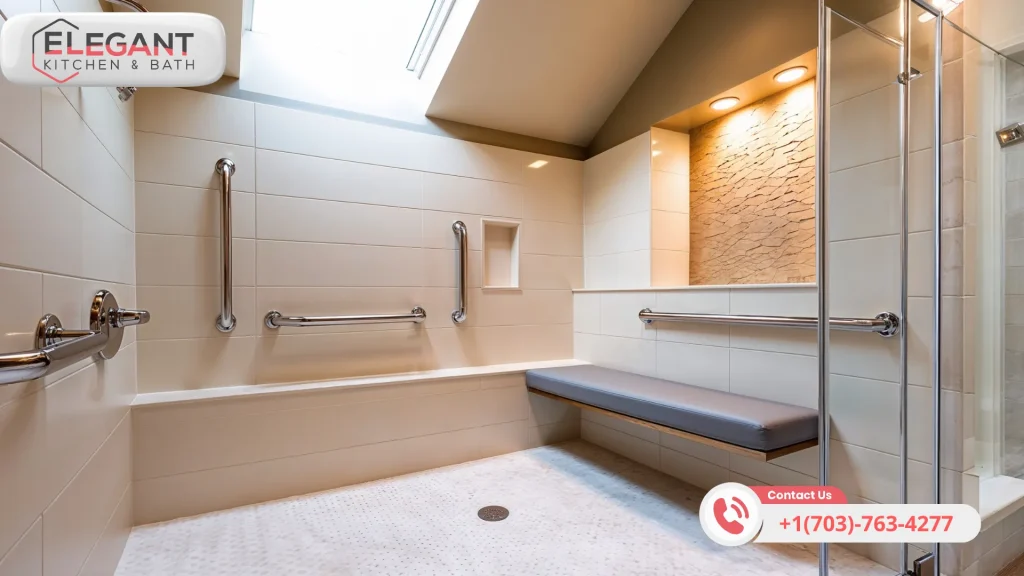
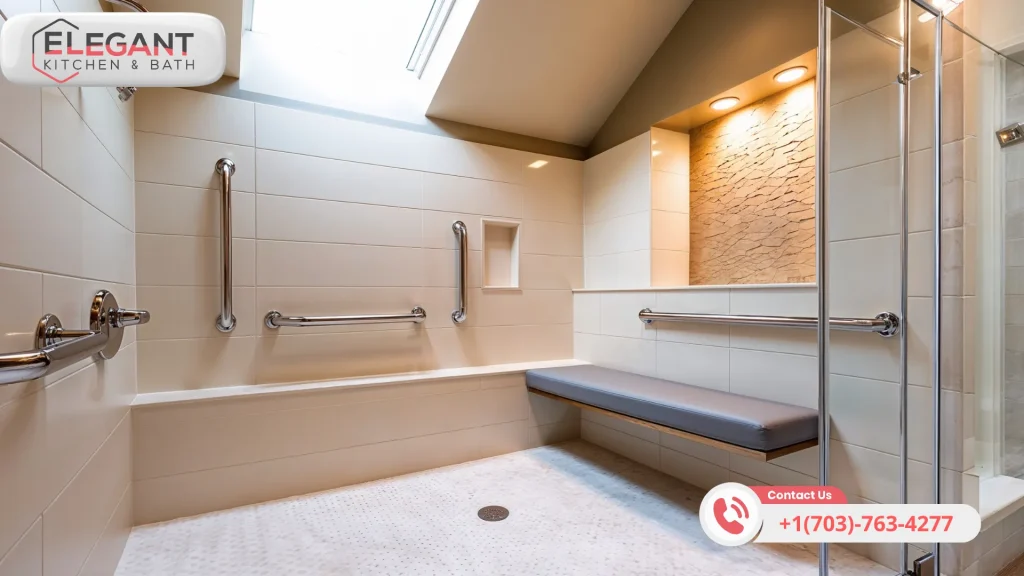
Additional features and customizations can significantly impact the overall cost of walk-in shower installation. Homeowners may choose to incorporate elements such as built-in benches, grab bars, or specialized showerheads, which enhance both functionality and safety. These features not only improve the user experience but also cater to specific needs, particularly for individuals with mobility challenges, making the investment worthwhile.
Furthermore, custom tile designs or unique finishes can elevate the aesthetic appeal of a walk-in shower, but they often come with higher price tags. Selecting high-quality materials for fixtures and accessories, such as premium faucets or designer shower doors, can also increase costs. Homeowners should carefully consider their preferences and budget when planning these enhancements to ensure that the final installation aligns with their vision while providing long-term value.
Cost Breakdown of Walk-in Shower Installation
Understanding the cost breakdown of walk-in shower installation is essential for homeowners planning this renovation. This section will cover pre-installation expenses, the cost of shower components, installation labor costs, and post-installation costs. Additionally, it will highlight hidden costs that may arise during the process, providing practical insights to ensure a well-informed budgeting approach.
Pre-Installation Expenses
Pre-installation expenses are a critical aspect of budgeting for a walk-in shower installation. Homeowners should anticipate costs related to design consultations, permits, and any necessary demolition of existing fixtures. Engaging a professional for an initial assessment can provide valuable insights into the specific requirements of the project, ensuring that all potential expenses are accounted for before the installation begins.
Additionally, homeowners may need to invest in materials for waterproofing and structural reinforcements, which are essential for a successful installation. These pre-installation costs can vary based on the complexity of the project and the materials chosen. Understanding these expenses helps homeowners create a comprehensive budget that covers all aspects of the walk-in shower installation process:
- Design consultations
- Permits and inspections
- Demolition of existing fixtures
- Waterproofing materials
- Structural reinforcements
Cost of Shower Components
The cost of shower components is a significant factor in the overall budget for walk-in shower installation. Homeowners should expect to invest in essential items such as showerheads, faucets, and valves, which can vary widely in price based on quality and design. For instance, high-quality fixtures may range from $100 to $500, depending on the brand and features, while more basic options can be found for less than $100. Selecting durable and stylish components not only enhances the shower‘s functionality but also contributes to the overall aesthetic appeal of the bathroom.
In addition to the primary fixtures, homeowners should consider the costs associated with additional components like grab bars, built-in benches, and custom cabinetry. These features can improve safety and accessibility, particularly for individuals with mobility challenges. The investment in these components can range from $50 for basic grab bars to several hundred dollars for custom cabinetry, depending on the materials and design choices. Understanding these costs helps homeowners make informed decisions that align with their budget and desired functionality:
- Showerheads and faucets
- Valves and plumbing components
- Grab bars and safety features
- Built-in benches and storage solutions
- Custom cabinetry and finishes
Installation Labor Costs
Installation labor costs are a significant component of the overall expenses associated with walk-in shower installation. Homeowners should anticipate varying rates based on the complexity of the project and the experience level of the contractor. Skilled labor is essential for ensuring that the installation is completed correctly, which can prevent costly repairs in the future.
Typically, labor costs can range from $50 to $150 per hour, depending on the geographical location and the contractor’s expertise. Homeowners are encouraged to obtain multiple quotes to compare prices and services, ensuring they select a contractor who offers both quality workmanship and competitive rates. Understanding these labor costs helps homeowners budget effectively for their walk-in shower installation project:
Post-Installation Costs
Post-installation costs are an essential consideration for homeowners planning a walk-in shower installation. These costs can include ongoing maintenance, such as cleaning products specifically designed for the materials used, and potential repairs for any issues that may arise after installation. Homeowners should also factor in the cost of replacing fixtures or components over time, as wear and tear can affect the longevity of the shower‘s functionality and appearance.
Additionally, homeowners may want to invest in accessories that enhance the shower experience, such as high-quality shower mats or water softeners to prevent mineral buildup. These post-installation expenses can vary based on individual preferences and the specific materials chosen for the shower. Understanding these costs helps homeowners maintain their walk-in shower effectively and ensures it remains a valuable addition to their bathroom:
Hidden Costs to Be Aware Of
Homeowners should be aware of several hidden costs that can arise during the walk-in shower installation process. These may include unexpected plumbing modifications, which can be necessary if the existing plumbing does not meet the requirements for the new shower design. Additionally, costs related to permits and inspections may not be initially considered but are essential for ensuring compliance with local building codes.
Another potential hidden cost involves the need for structural reinforcements, especially if the bathroom floor requires support for the weight of the new materials. Homeowners may also encounter expenses related to the removal and disposal of old fixtures, which can add to the overall budget. Understanding these hidden costs can help homeowners plan more effectively and avoid surprises during the installation process:
- Unexpected plumbing modifications
- Permits and inspections
- Structural reinforcements
- Removal and disposal of old fixtures
Comparing Different Types of Walk-in Showers and Their Costs
When considering walk-in shower installation, homeowners must evaluate various options that influence costs. This section will compare prefabricated versus custom showers, explore glass enclosures against curtain options, and discuss tile choices and their impact on pricing. Additionally, it will address accessibility features and expenses, as well as eco-friendly options and their price ranges, providing practical insights for informed decision-making.
Prefabricated vs. Custom Showers
When choosing between prefabricated and custom showers, homeowners must consider their specific needs and budget. Prefabricated showers are typically more affordable and quicker to install, as they come as ready-made units that require minimal modifications. These options are ideal for those looking for a straightforward solution without extensive renovations, making them a popular choice for budget-conscious homeowners.
On the other hand, custom showers offer greater flexibility in design and functionality, allowing homeowners to tailor the space to their preferences. While the initial investment for custom showers is generally higher due to the need for specialized materials and labor, they can enhance the overall aesthetic and value of the home. Homeowners seeking unique features, such as built-in benches or specific tile designs, may find that the benefits of a custom shower justify the additional costs:
Glass Enclosures vs. Curtain Options
When choosing between glass enclosures and curtain options for walk-in showers, homeowners must consider both aesthetics and functionality. Glass enclosures provide a sleek, modern look that enhances the overall design of the bathroom while allowing natural light to flow through the space. They are also easier to clean and maintain, reducing the risk of mold and mildew buildup, which is a common concern in humid environments.
On the other hand, curtain options offer a more budget-friendly solution and can be easily replaced or changed to match different decor styles. While they may not provide the same level of elegance as glass enclosures, curtains can offer flexibility in terms of color and pattern, allowing homeowners to personalize their shower space. Ultimately, the choice between glass enclosures and curtain options will depend on individual preferences, budget constraints, and the desired aesthetic for the bathroom renovation.
Tile Choices and Their Impact on Cost
Tile choices significantly influence the overall cost of walk-in shower installation. Homeowners often opt for ceramic tiles due to their durability and affordability, which can range from $1 to $5 per square foot. In contrast, natural stone tiles, such as marble or granite, provide a luxurious appearance but can cost between $5 and $15 per square foot, making them a more expensive option. Understanding these price differences helps homeowners align their material selections with their budget while achieving the desired aesthetic for their bathroom.
Additionally, the complexity of tile installation can affect labor costs. Intricate tile patterns or larger formats may require more skilled labor, leading to higher installation fees. Homeowners should consider both the material costs and the potential labor implications when selecting tiles for their walk-in shower. By carefully evaluating their options, they can make informed decisions that enhance both the functionality and visual appeal of their shower space.
Accessibility Features and Expenses
Accessibility features in walk-in showers are essential for enhancing safety and usability, particularly for individuals with mobility challenges. Incorporating elements such as grab bars, built-in benches, and non-slip flooring can significantly improve the shower experience. While these features may increase the initial installation costs, they provide long-term benefits by reducing the risk of falls and ensuring a comfortable bathing environment.
Homeowners should consider the expenses associated with these accessibility features when planning their walk-in shower installation. For instance, the cost of high-quality grab bars can range from $50 to $200, depending on the design and material. Investing in these features not only enhances the functionality of the shower but also adds value to the home, making it a wise choice for those looking to create a safe and stylish bathroom space.
Eco-Friendly Options and Price Range
Eco-friendly options for walk-in showers are increasingly popular among homeowners looking to reduce their environmental impact. These options often include water-saving fixtures, such as low-flow showerheads and faucets, which can significantly decrease water usage without sacrificing performance. Additionally, sustainable materials like recycled glass tiles or bamboo can be used in the construction, providing both aesthetic appeal and a commitment to environmental responsibility.
The price range for eco-friendly walk-in shower installations can vary based on the materials and fixtures selected. While some sustainable options may have a higher upfront cost, such as natural stone or high-efficiency plumbing fixtures, they often lead to long-term savings through reduced water bills and lower maintenance needs. Homeowners should consider these factors when budgeting for their walk-in shower, as investing in eco-friendly solutions can enhance both the functionality and sustainability of their bathroom space.
Tips to Manage Walk-in Shower Installation Expenses
Managing walk-in shower installation expenses requires strategic planning and informed decision-making. Homeowners can save costs by selecting cost-effective materials and planning an efficient layout. Hiring qualified professionals ensures quality work, while considering DIY for certain tasks can further reduce expenses. Additionally, timing the project for the best prices can lead to significant savings. Each of these strategies will be explored in detail to provide practical insights for a successful installation.
Selecting Cost-Effective Materials
Selecting cost-effective materials is essential for managing walk-in shower installation expenses without compromising quality. Homeowners can consider options like ceramic tiles, which are durable and budget-friendly, making them a popular choice for shower renovations. Additionally, acrylic panels offer a lightweight and low-maintenance alternative that can help reduce overall costs while still providing a modern look.
Another strategy involves evaluating the long-term benefits of materials. For instance, investing in high-quality fixtures may have a higher upfront cost but can lead to savings on maintenance and replacements over time. By carefully assessing both initial costs and durability, homeowners can make informed decisions that align with their budget and enhance the overall value of their walk-in shower installation:
Planning an Efficient Layout
Planning an efficient layout for a walk-in shower is essential for maximizing space and functionality. Homeowners should consider the overall dimensions of the bathroom and the placement of existing plumbing to create a design that enhances accessibility and comfort. A well-thought-out layout can minimize the need for extensive plumbing modifications, ultimately reducing installation costs.
Incorporating features such as built-in shelves or benches can further optimize the shower space while providing additional storage and convenience. Homeowners should also evaluate the flow of movement within the bathroom to ensure that the walk-in shower complements the overall design. By focusing on an efficient layout, homeowners can achieve a stylish and functional walk-in shower that meets their needs without overspending:
Hiring Qualified Professionals
Hiring qualified professionals for walk-in shower installation is a critical step in managing expenses effectively. Experienced contractors bring valuable expertise that ensures the installation is completed correctly, minimizing the risk of costly mistakes. By selecting skilled labor, homeowners can benefit from quality workmanship that enhances the longevity and functionality of the shower, ultimately saving money on future repairs and maintenance.
Additionally, qualified professionals can provide insights into the best materials and design choices that align with the homeowner’s budget and preferences. They can identify potential challenges early in the process, allowing for proactive solutions that prevent unexpected costs. Engaging a reputable contractor not only streamlines the installation process but also offers peace of mind, knowing that the project is in capable hands.
Considering DIY for Certain Tasks
Considering DIY for certain tasks during walk-in shower installation can significantly reduce overall expenses. Homeowners with basic skills can handle tasks such as demolition, painting, or installing accessories like grab bars and shelves. By taking on these responsibilities, they can save on labor costs while still ensuring that the more complex aspects of the installation are managed by professionals.
Additionally, engaging in DIY projects allows homeowners to customize their walk-in shower according to their preferences. For instance, they can select and install their own fixtures or tiles, which not only enhances the aesthetic appeal but also provides a sense of personal investment in the renovation. This approach can lead to a more satisfying outcome, as homeowners can tailor the space to meet their specific needs while keeping costs manageable.
Timing the Project for Best Prices
Timing the project for walk-in shower installation can significantly impact overall costs. Homeowners should consider scheduling their renovations during off-peak seasons, such as late fall or winter, when contractors may offer lower rates due to decreased demand. This strategic approach not only helps in securing better pricing but also allows for more flexible scheduling, ensuring that the installation process runs smoothly without the pressure of tight timelines.
Additionally, homeowners can take advantage of sales events or promotions offered by suppliers and contractors. By researching and planning ahead, they can identify periods when materials, such as tiles and fixtures, are discounted. This proactive strategy not only reduces the initial investment but also enhances the overall value of the walk-in shower installation, making it a financially sound decision for those looking to upgrade their bathroom space.
Frequently Asked Questions About Walk-in Shower Installation Costs
This section addresses common inquiries regarding walk-in shower installation costs. It covers the average cost to install a walk-in shower, the potential increase in home value, ongoing maintenance expenses, and the cost-effectiveness of converting an existing shower. Additionally, it explores available financing options, providing homeowners with practical insights to make informed decisions.
What Is the Average Cost to Install a Walk-in Shower?
The average cost to install a walk-in shower typically ranges from $3,000 to $10,000, depending on various factors such as size, materials, and labor. Homeowners should consider that prefabricated options may be more budget-friendly, while custom designs can significantly increase the overall expense. Understanding these cost ranges helps homeowners plan their budgets effectively and make informed decisions regarding their bathroom renovations.
In addition to the initial installation costs, homeowners should also factor in potential ongoing expenses, such as maintenance and repairs. Investing in high-quality materials and fixtures can lead to long-term savings by reducing the need for frequent replacements. By evaluating both the upfront and future costs, homeowners can ensure that their walk-in shower installation aligns with their financial goals and enhances their bathroom experience:
Does a Walk-in Shower Increase Home Value?
Installing a walk-in shower can significantly enhance a home’s value, particularly in the competitive real estate market. Homebuyers often seek modern, accessible features that improve both functionality and aesthetics in a bathroom. A well-designed walk-in shower not only meets these criteria but also appeals to a broader range of potential buyers, making it a worthwhile investment for homeowners looking to increase their property’s marketability.
Moreover, the appeal of a walk-in shower extends beyond just aesthetics; it also addresses practical needs, especially for individuals with mobility challenges. By incorporating safety features such as grab bars and non-slip flooring, homeowners can create a space that is both stylish and functional. This combination of luxury and accessibility can lead to a higher return on investment, as prospective buyers are often willing to pay a premium for homes that offer modern conveniences and enhanced safety features.
What Are the Ongoing Maintenance Costs?
The ongoing maintenance costs for a walk-in shower can vary based on the materials used and the frequency of upkeep. Homeowners should anticipate expenses related to cleaning products specifically designed for the materials, which can range from $10 to $50. Regular maintenance, such as resealing grout or checking for leaks, is essential to prolong the life of the shower and prevent costly repairs in the future.
In addition to cleaning supplies, homeowners may need to budget for occasional repairs or replacements of fixtures, such as showerheads or faucets, which can range from $50 to $300 depending on the quality and design. Investing in high-quality materials initially can lead to lower maintenance costs over time, as durable components typically require less frequent replacement. Understanding these ongoing maintenance costs helps homeowners effectively manage their budgets while ensuring their walk-in shower remains functional and visually appealing.
Is Converting an Existing Shower Cost-Effective?
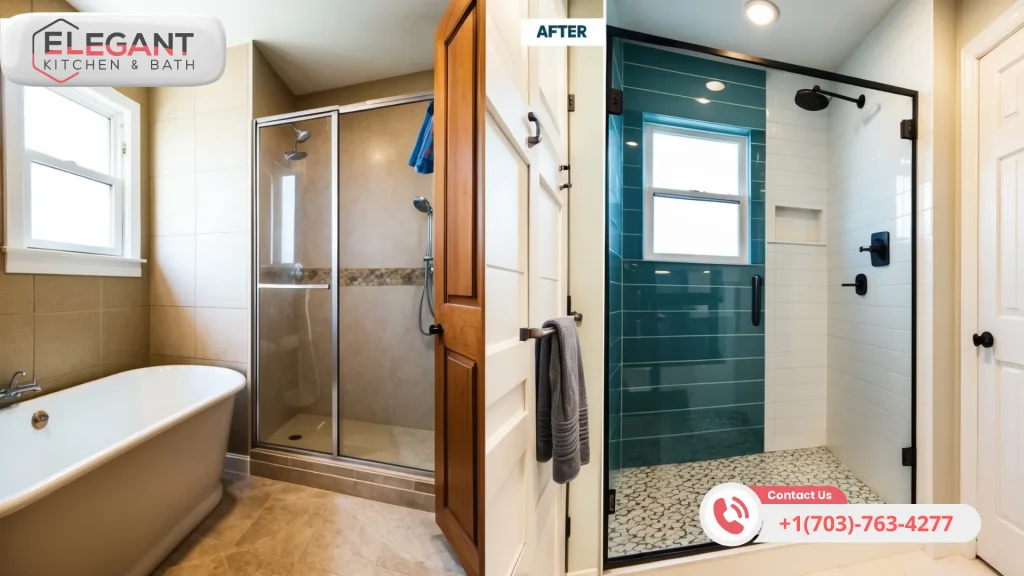
Converting an existing shower into a walk-in shower can be a cost-effective solution for homeowners looking to enhance their bathroom‘s accessibility and style. This approach often requires fewer materials and less labor compared to a full bathroom remodel, as the existing plumbing and structural elements can be utilized. By retaining the current layout, homeowners can save on expenses while still achieving a modern and functional shower space that meets their needs.
Additionally, the conversion process allows for customization without the high costs associated with new construction. Homeowners can select from a variety of materials and finishes to create a personalized look that aligns with their design preferences. This flexibility not only enhances the aesthetic appeal of the bathroom but also adds value to the home, making the investment in converting an existing shower a practical choice for many.
What Financing Options Are Available?
Homeowners considering walk-in shower installation have several financing options available to help manage costs. Personal loans are a popular choice, allowing individuals to borrow a specific amount to cover the installation expenses, which can then be repaid over time with fixed monthly payments. Additionally, many contractors offer financing plans that allow homeowners to pay for their renovations in installments, making it easier to budget for the project without straining finances.
Another viable option is to utilize home equity loans or lines of credit, which can provide access to funds based on the equity built in the home. This approach often comes with lower interest rates compared to personal loans, making it a cost-effective solution for larger renovations like walk-in showers. Homeowners should carefully evaluate their financial situation and explore these financing options to find the best fit for their needs:
Are You Ready to Elevate Your Home with the Top Bathroom Remodeling Contractor in Virginia?
Join the ranks of our esteemed clients in Virginia, like Julia and Travis, who turned to us for their home renovations. When searching for bathroom remodeling Virginia, look no further than Elegant Kitchen and Bath reviews. We pride ourselves on delivering tailormade renovation solutions with an unwavering commitment to excellence. As your trusted bathroom remodeling contractor, we’re excited to bring our expertise to your doorstep. Connect with us for a personalized consultation, and embark on a journey to transform your home into the sanctuary you deserve.
Conclusion
Understanding the costs associated with walk-in shower installation is crucial for homeowners planning a bathroom renovation. This comprehensive guide highlights the various factors influencing expenses, from material choices to labor costs, enabling informed decision-making. By considering accessibility features and eco-friendly options, homeowners can enhance both functionality and sustainability in their bathrooms. Ultimately, investing time in this knowledge ensures a successful installation that adds value and comfort to the home.
Elegant Kitchen and Bath offers kitchen remodeling, bathroom remodeling, basement remodeling and home addition remodeling services across a broad area, including
Herndon, Chantilly, Centreville,Reston, Sterling, GreatFalls, Ashburn, Fairfax, McLean, Manassas, Haymarket, Burke,
Vienna, Falls Church, Annandale, Springfield, Alexandria and Arlington.
Ready to transform your bath with Elegant Kitchen and Bath in Virginia?
Visit Elegant Kitchen and Bath to start your journey toward your modern kitchen & bath today.